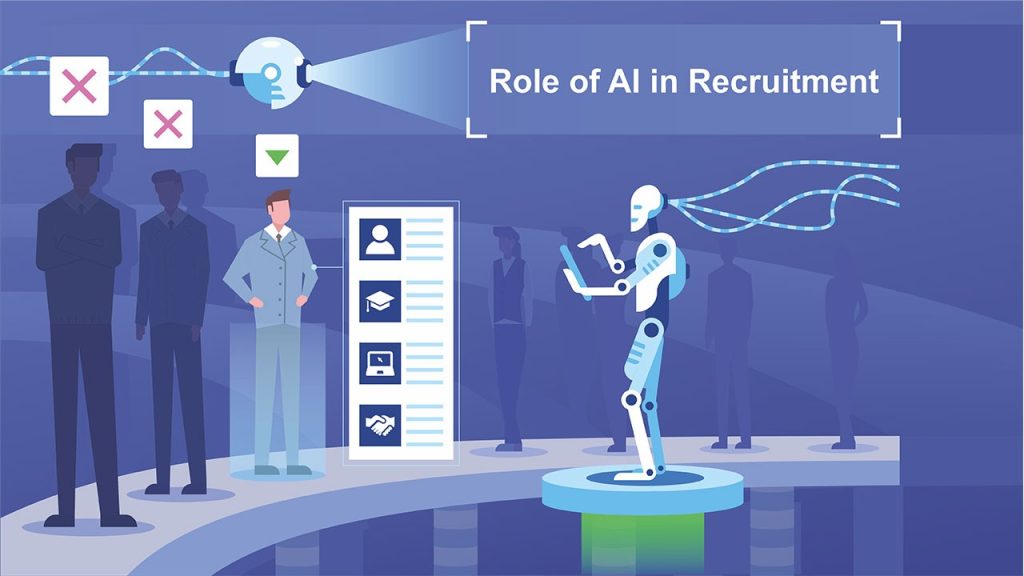
AI is poised to dramatically change the hiring process in several ways, making it more efficient, data-driven, and potentially fairer—though it also presents new challenges. Below are some key ways AI is expected to shape hiring:
1. Automating Routine Tasks
AI can automate many of the repetitive administrative tasks that HR professionals typically spend a lot of time on. This includes:
- Screening resumes: AI systems can quickly scan resumes for keywords, qualifications, and experience, identifying the most suitable candidates. This helps HR teams focus on more strategic aspects of hiring.
- Scheduling interviews: AI-driven scheduling tools can automatically find mutually available times for interviews, reducing back-and-forth communication.
- Initial assessments: AI can help administer and evaluate preliminary skill assessments or personality tests.
2. Improving Candidate Sourcing
AI can significantly improve the process of identifying potential candidates, often finding talent from a wider range of sources than traditional methods:
- Talent pooling: AI can mine data from job boards, social media profiles (e.g., LinkedIn), and other platforms to build and update talent pools.
- Passive candidate engagement: AI-powered tools can engage with passive candidates—those not actively looking for a job—through targeted messaging or job alerts, creating a more continuous flow of candidates.
3. Bias Reduction (With Caution)
AI has the potential to reduce human biases in the hiring process by focusing purely on candidate qualifications rather than subjective factors. It can help ensure that candidates are evaluated based on their skills and experiences, which may promote:
- Diversity and inclusion: By removing factors like gender, age, or ethnicity from the screening process, AI can help foster a more diverse and inclusive workplace. Tools like blind recruitment (where personal details are anonymized) are being used to combat unconscious bias.
However, this comes with a caveat: AI systems are only as unbiased as the data they are trained on. If historical hiring data reflects biased patterns, AI can inadvertently perpetuate these biases.
4. Enhancing Candidate Experience
AI-driven tools can provide candidates with a more personalized and responsive experience:
- Instant feedback: Chatbots can instantly acknowledge job applications, provide updates, and answer common questions about the hiring process, giving candidates a more engaging experience.
- Personalized job recommendations: AI can suggest roles that align with candidates’ qualifications, interests, and career goals, improving job-matching accuracy and satisfaction.
5. Data-Driven Decision-Making
AI can help hiring managers make more informed, data-backed decisions by analyzing a wealth of information about candidates, teams, and job performance. For example:
- Predictive analytics: AI can analyze patterns in employee performance, turnover, and other data to predict how well a candidate might perform in a specific role or fit with the company culture.
- Job fit and retention: AI systems can compare candidates’ profiles against those of successful employees, helping to predict job fit and potential retention risks.
6. Video Interviews and Analysis
AI-powered video interview tools are becoming more common. These tools can:
- Analyze facial expressions, tone of voice, and speech patterns: AI can assess emotional responses, stress levels, and confidence through natural language processing and facial recognition.
- Evaluate responses to pre-recorded questions: AI systems can review candidate responses to interview questions, providing insights on how well they answer and whether they possess key traits like problem-solving skills or cultural fit.
7. Reducing Time-to-Hire
AI can help companies streamline their recruitment process, ultimately reducing time-to-hire:
- Faster screening and shortlisting: Automated systems can quickly filter out unqualified candidates, reducing the time spent by human recruiters.
- AI-assisted decision support: By providing real-time insights into candidate qualifications and predicting potential success, AI tools can help hiring teams make decisions faster.
8. Real-Time Candidate Assessment
AI can assess candidates in real time through interactive challenges, simulations, or gamified assessments. This allows hiring teams to evaluate candidates’ problem-solving skills, adaptability, and other traits beyond what is written on a resume.
- Cognitive assessments: AI can conduct real-time cognitive and behavioral assessments to gauge how candidates handle real-world scenarios or complex tasks.
9. Continuous Learning and Improvement
AI systems can continuously learn from feedback and past hiring decisions to improve the hiring process over time. For example:
- Candidate performance feedback: AI can track whether hires perform as expected after being onboarded, adjusting its algorithms to refine future candidate screening.
- Hiring metrics optimization: AI can analyze data from previous hiring cycles to identify patterns in hiring success or failure and fine-tune recruitment strategies accordingly.
10. Ethical and Privacy Concerns
With AI’s involvement in hiring, several ethical and privacy issues arise:
- Data privacy: AI tools that analyze large volumes of personal data (such as social media profiles) can raise privacy concerns, especially if candidates aren’t fully aware of how their data is being used.
- Transparency: Companies need to be transparent about how AI is used in the hiring process, ensuring candidates understand how decisions are made, particularly when AI plays a significant role in shortlisting or selecting candidates.
- Algorithmic bias: As mentioned earlier, if the data AI is trained on is biased, it could result in unfair hiring practices, perpetuating inequality.
11. The Human Touch Remains Important
Despite AI’s growing role in hiring, the human element will still be crucial:
- Human intuition and empathy: While AI can automate many tasks, hiring often involves subjective decisions that require empathy, cultural sensitivity, and a nuanced understanding of team dynamics. Human recruiters will continue to make final judgments, especially in areas like cultural fit and leadership potential.
- Candidate trust: Candidates may feel more comfortable when interacting with human recruiters, especially during sensitive stages like negotiations or feedback.
12. Cost Reduction and Scalability
AI can help companies scale their recruitment efforts without proportionally increasing their hiring costs:
- Cost-effective hiring: AI reduces the need for large recruitment teams and minimizes errors or inefficiencies in candidate selection, leading to more cost-effective hiring.
- Scalability: AI enables companies to handle larger volumes of applicants, which is particularly valuable in high-growth organizations or for roles that attract many candidates.