How to work recruitment agency?

Client Acquisition

Recruitment agencies build relationships with companies that need help filling job positions. These companies become the agency’s clients. The company provides the agency with details about the job vacancy.The agency and the client agree on terms (e.g., timeline, fees, job requirements).

Job Advertising

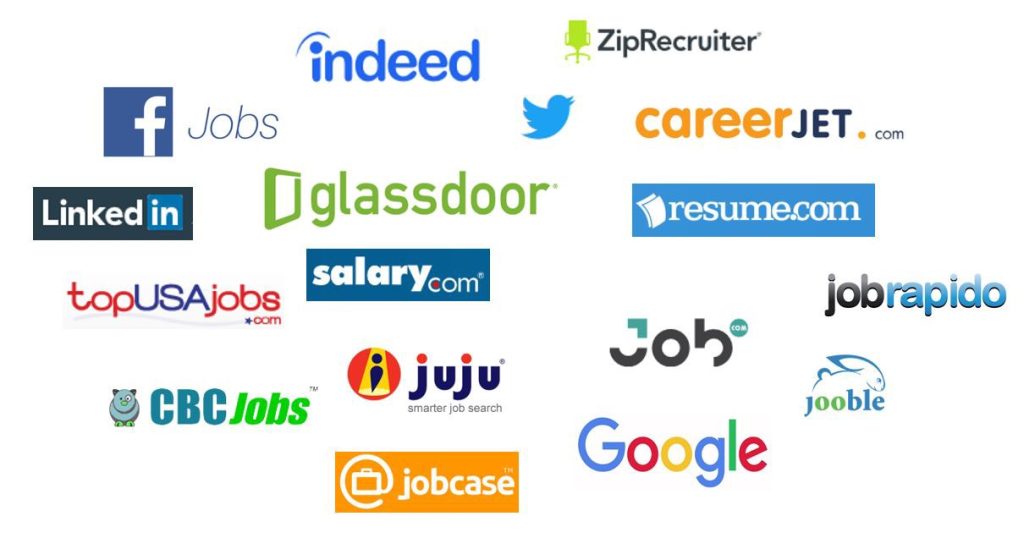
    The agency advertises the job on various platforms: Job boards (e.g., Indeed, LinkedIn). Agency’s website. Social media. Industry-specific channels

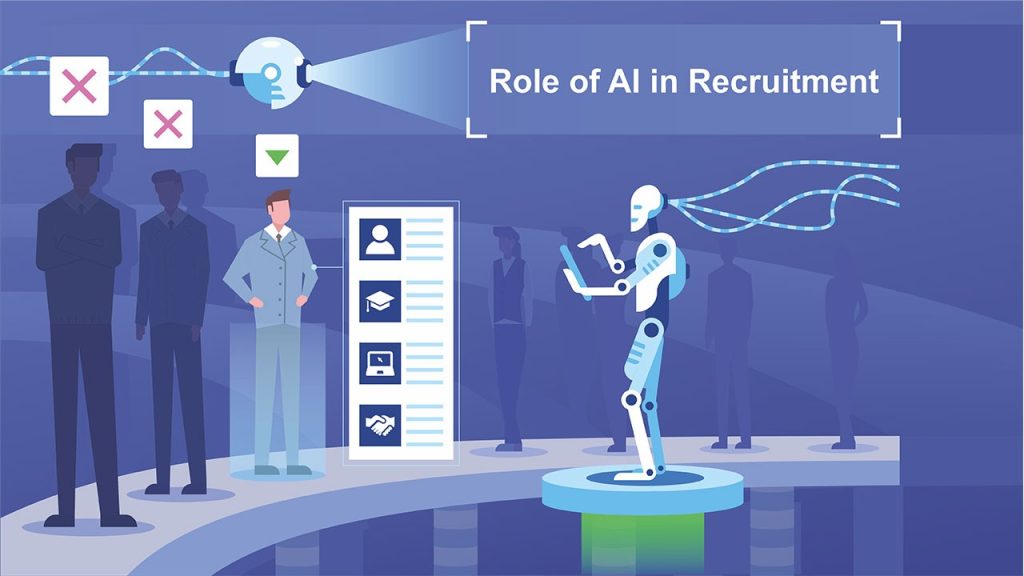
How AI Will Change Hiring

AI is poised to dramatically change the hiring process in several ways, making it more efficient, data-driven, and potentially fairer—though it also presents new challenges. Below are some key ways AI is expected to shape hiring:

1. Automating Routine Tasks

AI can automate many of the repetitive administrative tasks that HR professionals typically spend a lot of time on. This includes:

  • Screening resumes: AI systems can quickly scan resumes for keywords, qualifications, and experience, identifying the most suitable candidates. This helps HR teams focus on more strategic aspects of hiring.
  • Scheduling interviews: AI-driven scheduling tools can automatically find mutually available times for interviews, reducing back-and-forth communication.
  • Initial assessments: AI can help administer and evaluate preliminary skill assessments or personality tests.

2. Improving Candidate Sourcing

AI can significantly improve the process of identifying potential candidates, often finding talent from a wider range of sources than traditional methods:

  • Talent pooling: AI can mine data from job boards, social media profiles (e.g., LinkedIn), and other platforms to build and update talent pools.
  • Passive candidate engagement: AI-powered tools can engage with passive candidates—those not actively looking for a job—through targeted messaging or job alerts, creating a more continuous flow of candidates.

3. Bias Reduction (With Caution)

AI has the potential to reduce human biases in the hiring process by focusing purely on candidate qualifications rather than subjective factors. It can help ensure that candidates are evaluated based on their skills and experiences, which may promote:

  • Diversity and inclusion: By removing factors like gender, age, or ethnicity from the screening process, AI can help foster a more diverse and inclusive workplace. Tools like blind recruitment (where personal details are anonymized) are being used to combat unconscious bias.

However, this comes with a caveat: AI systems are only as unbiased as the data they are trained on. If historical hiring data reflects biased patterns, AI can inadvertently perpetuate these biases.

4. Enhancing Candidate Experience

AI-driven tools can provide candidates with a more personalized and responsive experience:

  • Instant feedback: Chatbots can instantly acknowledge job applications, provide updates, and answer common questions about the hiring process, giving candidates a more engaging experience.
  • Personalized job recommendations: AI can suggest roles that align with candidates’ qualifications, interests, and career goals, improving job-matching accuracy and satisfaction.

5. Data-Driven Decision-Making

AI can help hiring managers make more informed, data-backed decisions by analyzing a wealth of information about candidates, teams, and job performance. For example:

  • Predictive analytics: AI can analyze patterns in employee performance, turnover, and other data to predict how well a candidate might perform in a specific role or fit with the company culture.
  • Job fit and retention: AI systems can compare candidates’ profiles against those of successful employees, helping to predict job fit and potential retention risks.

6. Video Interviews and Analysis

AI-powered video interview tools are becoming more common. These tools can:

  • Analyze facial expressions, tone of voice, and speech patterns: AI can assess emotional responses, stress levels, and confidence through natural language processing and facial recognition.
  • Evaluate responses to pre-recorded questions: AI systems can review candidate responses to interview questions, providing insights on how well they answer and whether they possess key traits like problem-solving skills or cultural fit.

7. Reducing Time-to-Hire

AI can help companies streamline their recruitment process, ultimately reducing time-to-hire:

  • Faster screening and shortlisting: Automated systems can quickly filter out unqualified candidates, reducing the time spent by human recruiters.
  • AI-assisted decision support: By providing real-time insights into candidate qualifications and predicting potential success, AI tools can help hiring teams make decisions faster.

8. Real-Time Candidate Assessment

AI can assess candidates in real time through interactive challenges, simulations, or gamified assessments. This allows hiring teams to evaluate candidates’ problem-solving skills, adaptability, and other traits beyond what is written on a resume.

  • Cognitive assessments: AI can conduct real-time cognitive and behavioral assessments to gauge how candidates handle real-world scenarios or complex tasks.

9. Continuous Learning and Improvement

AI systems can continuously learn from feedback and past hiring decisions to improve the hiring process over time. For example:

  • Candidate performance feedback: AI can track whether hires perform as expected after being onboarded, adjusting its algorithms to refine future candidate screening.
  • Hiring metrics optimization: AI can analyze data from previous hiring cycles to identify patterns in hiring success or failure and fine-tune recruitment strategies accordingly.

10. Ethical and Privacy Concerns

With AI’s involvement in hiring, several ethical and privacy issues arise:

  • Data privacy: AI tools that analyze large volumes of personal data (such as social media profiles) can raise privacy concerns, especially if candidates aren’t fully aware of how their data is being used.
  • Transparency: Companies need to be transparent about how AI is used in the hiring process, ensuring candidates understand how decisions are made, particularly when AI plays a significant role in shortlisting or selecting candidates.
  • Algorithmic bias: As mentioned earlier, if the data AI is trained on is biased, it could result in unfair hiring practices, perpetuating inequality.

11. The Human Touch Remains Important

Despite AI’s growing role in hiring, the human element will still be crucial:

  • Human intuition and empathy: While AI can automate many tasks, hiring often involves subjective decisions that require empathy, cultural sensitivity, and a nuanced understanding of team dynamics. Human recruiters will continue to make final judgments, especially in areas like cultural fit and leadership potential.
  • Candidate trust: Candidates may feel more comfortable when interacting with human recruiters, especially during sensitive stages like negotiations or feedback.

12. Cost Reduction and Scalability

AI can help companies scale their recruitment efforts without proportionally increasing their hiring costs:

  • Cost-effective hiring: AI reduces the need for large recruitment teams and minimizes errors or inefficiencies in candidate selection, leading to more cost-effective hiring.
  • Scalability: AI enables companies to handle larger volumes of applicants, which is particularly valuable in high-growth organizations or for roles that attract many candidates.


The Power of Retained Executive Search: Hiring the C-Suite

Retained search consultants are industry specialists, not one-size-fits-all recruiters. They possess a wealth of knowledge specific to your industry, allowing them to identify the critical skills and experience required for success in your C-suite role.

They also understand the competitive landscape, compensation benchmarks, and the unique challenges and opportunities your organisation faces. This in-depth understanding fuels their targeted candidate sourcing strategy.

Resourcing a high-caliber executive goes beyond passively waiting for resumes to land on your desk.

Extensive networks

Retained search firms leverage their extensive networks and research capabilities to identify a wider pool of qualified candidates. Imagine a talent pool that extends beyond those actively job-seeking.

Retained search consultants tap into their network of industry contacts and utilise advanced research techniques to uncover high-performing executives who may be content in their current roles but receptive to an exceptional opportunity.

This “passive candidate” pool can harbour hidden gems – leaders with the perfect blend of skills and experience that perfectly align with your specific needs.

Job Boards are replacing the traditional methods of recruiting

Farewell, Classifieds! Job Boards Take the Reins in Recruiting

Remember the days of scouring newspapers for that perfect job opening, circling ads with red marker, and mailing resumes in bulky envelopes? In Bangladesh’s ever-evolving job market, that relic of the past is fading fast. Say hello to the new sheriff in town: job boards are revolutionizing the way we search for and fill positions.

Why the Shift?

Traditional methods like newspaper ads and agency headhunting had their limitations. They were costly, geographically restricted, and often missed out on passive candidates – the skilled professionals already employed but open to new opportunities. Job boards, on the other hand, democratize the search for talent. Here’s how:

  • Wider Reach: No more local papers restricting your options. Online platforms like Talentdetect.com.bd connect you with a vast pool of candidates, nationwide and even globally.
  • Targeted Search: Gone are the days of generic ads attracting a hodgepodge of applicants. Advanced search filters on job boards let you pinpoint individuals with the exact skills and experience you need.
  • Cost-Effectiveness: Job boards offer a much more budget-friendly way to recruit. Compared to agency fees and expensive print ads, posting on online platforms is significantly cheaper.
  • 24/7 Accessibility: The job hunt never sleeps anymore. Job boards are accessible anytime, anywhere, allowing candidates to apply at their own convenience.
  • Passive Candidate Magnet: Traditional methods often miss those not actively seeking jobs. Job boards, with their ease of application and visibility, attract passive candidates, expanding your talent pool exponentially.

Embracing the Change

For employers, this shift means adapting your recruitment strategies. Here are some tips to thrive in the online recruiting landscape:

  • Craft Compelling Job Descriptions: Go beyond listing responsibilities. Highlight your company culture, values, and growth opportunities to attract the right talent.
  • Optimize Your Job Postings: Use relevant keywords and industry jargon to ensure your post shows up in candidate searches.
  • Respond Promptly: Don’t leave candidates hanging. Respond to applications quickly and efficiently, creating a positive first impression.
  • Leverage Social Media: Share your job postings on social media platforms to reach a wider audience and engage with potential candidates.
  • Embrace Technology: Explore video interviews, online assessments, and other tools to streamline the hiring process while maintaining quality.

The rise of job boards is not just a trend; it’s a transformation. By embracing this shift, you can access a wider talent pool, attract top performers, and build a future-proof recruitment strategy. So, why wait? Head over to Talentdetect.com.bd and experience the power of online recruitment!

Remember, with the right approach, you can turn the job board revolution into your biggest recruitment advantage. Happy hiring!

Why is virtual recruiting becoming more popular day by day?

Why Virtual Recruiting is becoming more popular by Storm: Benefits from Boardroom to Bedroom

Remember the days of endless CV piles, crowded job fairs, and the pressure of in-person interviews? Well, World is stepping into a new era of talent acquisition – the era of virtual recruiting. And the reasons for its meteoric rise are as clear as a Dhaka sky after the monsoon.

So, why is virtual recruiting becoming the talk of the town?

1. Location, Location, Location (Except, It Doesn’t Matter Anymore):

Virtual recruiting lets you cast a wider net, attracting skilled professionals irrespective of their geographical location. This opens doors to a diverse and qualified talent pool, boosting your chances of finding the perfect fit.

2. Time is Money (and You’re Saving Both):

Say goodbye to logistical nightmares and travel costs. Virtual interviews happen at the click of a button, saving both companies and candidates precious time and resources. No more rushing through traffic or battling scheduling woes – interviews can be tailored to fit busy schedules, leading to a smoother and more efficient process.

3. Leveling the Playing Field:

Shy candidate? Introverted personality? Virtual interviews create a comfortable and familiar environment, allowing candidates to showcase their skills and personality more authentically. This removes geographical and social barriers, ensuring a fairer evaluation based on merit, not external factors.

4. Tech to the Rescue:

From video conferencing platforms to AI-powered candidate assessments, technology is revolutionizing the recruitment landscape. These tools streamline the process, automate tasks, and provide valuable data insights, helping recruiters make informed hiring decisions.

5. A Candidate-Centric Experience:

Virtual recruiting offers flexibility and convenience for candidates. They can apply for jobs, attend interviews, and even receive feedback from the comfort of their own homes. This candidate-centric approach fosters a positive experience, enhances employer branding, and increases talent retention.

The Future is Virtual (and Bright):

While in-person interactions still hold value, virtual recruiting is undoubtedly carving its niche in the global job market. With its undeniable benefits for both companies and candidates, it’s no surprise that its popularity is soaring. So, embrace the virtual wave, Talentdetect readers, and unlock a world of possibilities in your talent acquisition strategies!

How Recruiter change a candidate life

How Recruiter change a candidate life???

A recruiter can change a candidate’s life in many ways, both big and small. Here are some of the most impactful ways:

Financial:

  • Landing a dream job: Finding the right job can bring financial stability, allowing candidates to pay bills, support their families, and achieve their financial goals. A recruiter can open doors to opportunities that a candidate might not have found on their own, particularly hidden gems or competitive roles.
  • Improved salary and benefits: A skilled recruiter can negotiate a competitive salary and benefits package for their candidate, leading to improved living standards and access to healthcare, retirement plans, and other perks.

Career Advancement:

  • Unlocking career potential: Recruiters can understand a candidate’s strengths and aspirations, then connect them with roles that offer new challenges, learning opportunities, and career growth. A well-matched position can propel a candidate’s career trajectory.
  • Building confidence and skills: Through the interview process and feedback, recruiters can help candidates identify areas for improvement and build confidence in their abilities. This can lead to better performance in future roles and career progression.

Personal Wellbeing:

  • Reduced stress and anxiety: Finding a stable and fulfilling job can alleviate the stress of unemployment or underemployment. This can improve a candidate’s overall mental and physical well-being.
  • Sense of purpose and belonging: Feeling valued and appreciated in the right workplace can contribute to a candidate’s sense of purpose and belonging. This can boost morale and lead to greater job satisfaction.

Beyond individual impact:

  • Impacting families and communities: A candidate’s job success can positively impact their families and communities through increased income, improved living standards, and contributions to local economies.
  • Helping companies find the right talent: By matching the right candidate with the right role, recruiters contribute to a company’s success and help create positive work environments.
Scroll to Top